Start with the essentials
Your next step.
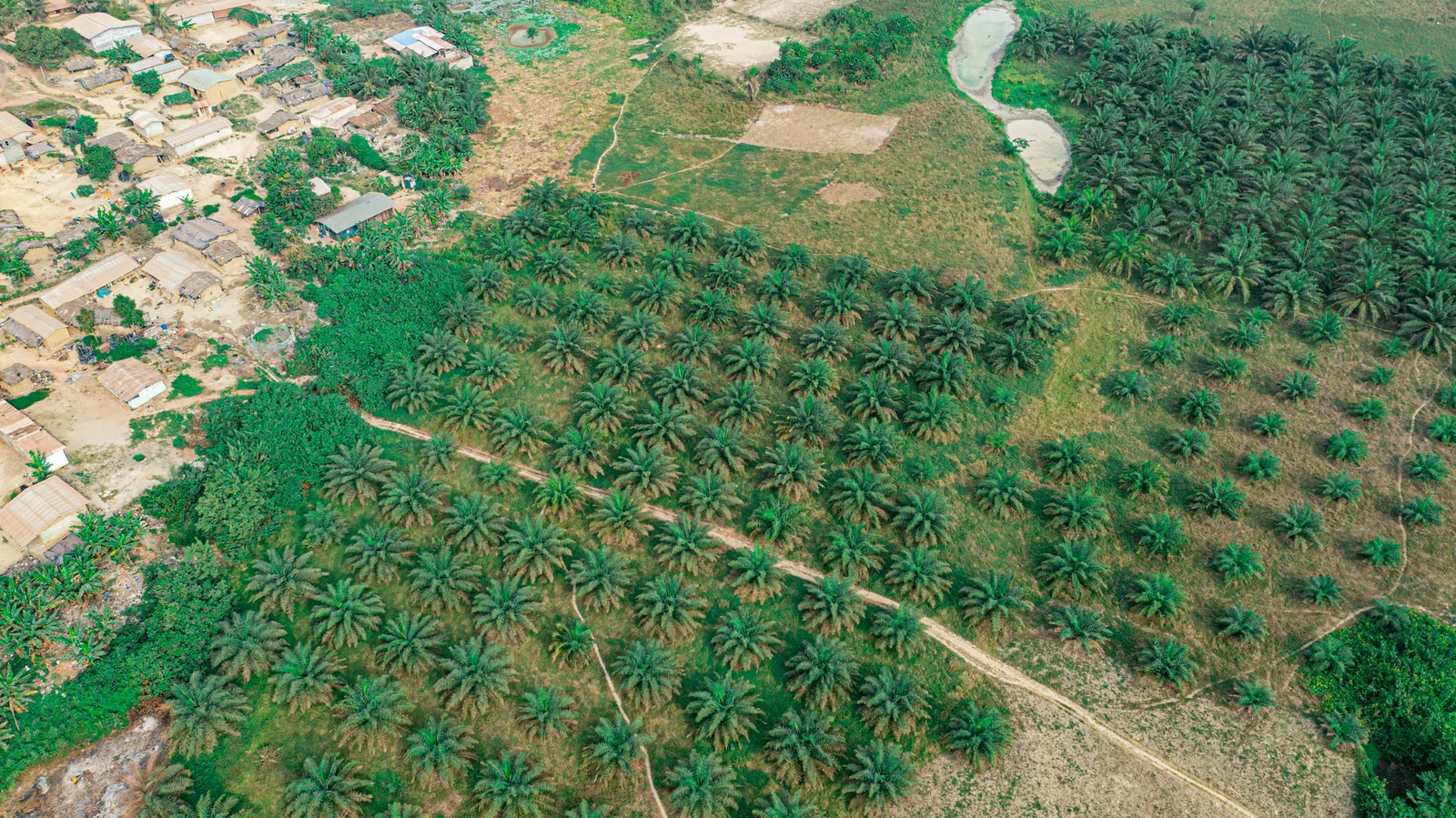
First establish whether the parcel falls within the rural land regime. A certificat foncier records customary rights; registration for a land title is a separate process. Have the rights available in your circumstances checked before signing a transfer or land-use agreement.
- Confirm the parcel falls within the rural regime.
- Identify existing rights and documents.
- Have the agreement and your eligibility examined.
Explore what you need
Answers to your questions.
Is land outside Abidjan automatically rural?
No. Location alone is insufficient: confirm the parcel’s legal regime and whether an urban perimeter or excluded area applies. AFOR explains that rural certification does not cover urban land, public land or the relevant protected areas.
How do the certificate and title differ?
The certificate process involves an official investigation and clarification of customary rights and boundaries. AFOR separately publishes the land-registration procedure. Ask which document actually exists, whose name it carries and which steps remain outstanding.
Can a non-Ivorian acquire the same rights?
Do not infer ownership rights from a certificate alone. AFOR distinguishes a customary-rights holder’s eligibility for a certificate from eligibility to own rural land. Have your nationality, the parcel’s status and the proposed agreement examined; ask whether a lease or another right is appropriate.
Where should an AFOR enquiry start?
Prepare the village, sub-prefecture, references and available copies. Territorial services can direct the enquiry; the FAQ places a certificate application with the sub-prefect responsible for the parcel. Also ask how to identify an approved technical operator for boundary work.
Official sources
- AFOR · FAQ du foncier rural afor.ci
- AFOR · certificat foncier afor.ci
- AFOR · titre foncier afor.ci
- Chambre des Notaires · annuaire chambre.notaire.ci